

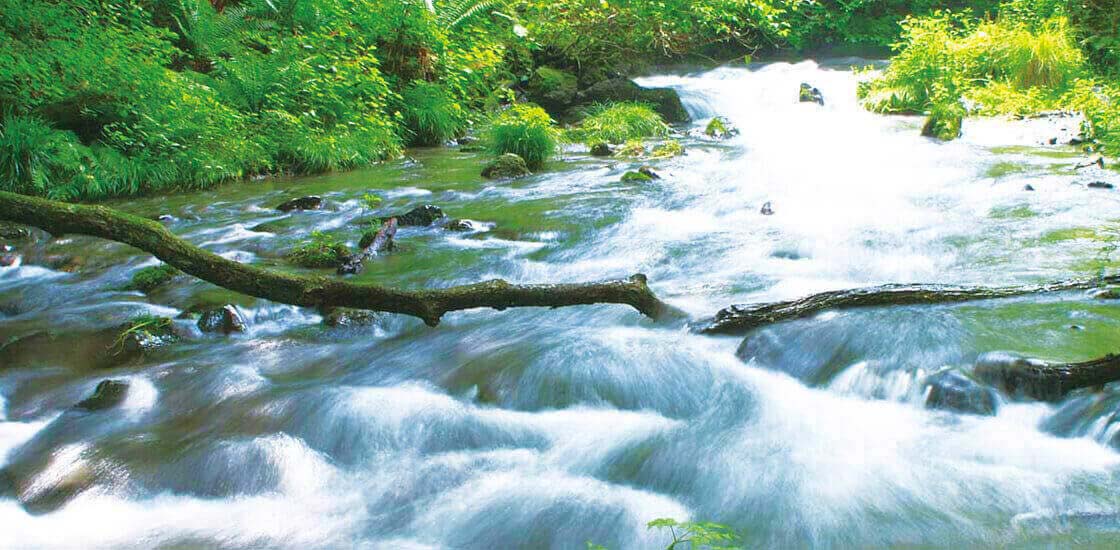
Marumo Aoki's nama miso is a gift of nature, made possible by the work of agriculture and the power of the natural world. Yet these blessings are not limitless.What, then, can we do to continue making nama miso for generations to come? We believe the answer lies in the pioneering drive that Marumo Aoki Miso has carried forward since its founding.While honoring tradition, three generations of our family have actively embraced new technologies and ideas. Through Green Marumo, we have already begun a range of initiatives that nurture nature in return.

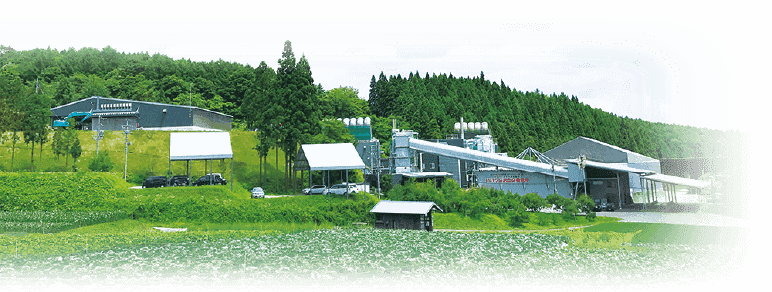
The electricity used at our facility comes from the Iizuna Oyama Power Plant,
which generates power from unused wood left in forests in northern Nagano Prefecture.
Our electricity to be used in the facility
is generated by Mt.lizuna biomass power station,
using unused wood that has been left
in the forest of Nagano Pref Hokushin area.

Circular Miso Making That Nurtures Nature
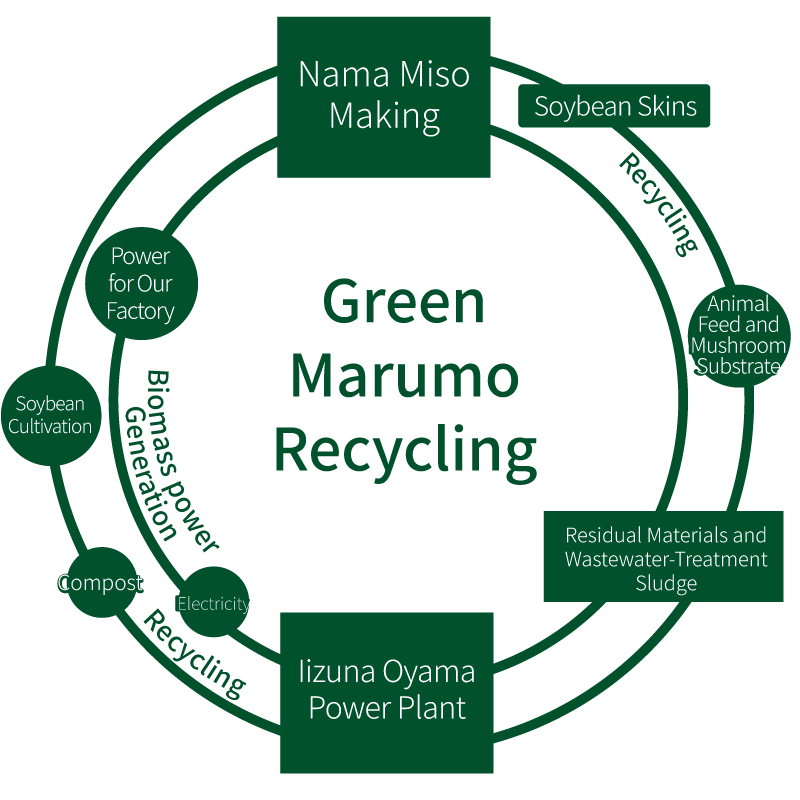
Residual materials and sludge from miso production are reused as biomass fuel or compost at the Iizuna Oyama Power Plant in the foothills of Mount Iizuna, Nagano City.The electricity generated there powers our miso production. Compost is shared with nearby farmers, and crops they grow are processed into our products.Soybean skins removed during processing are reused as animal feed and mushroom substrate, further advancing our circular production model.

01
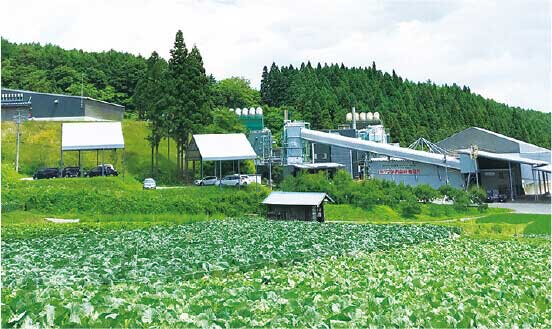
Residual materials and sludge from production are sent to the Iizuna Oyama Power Plant.

02
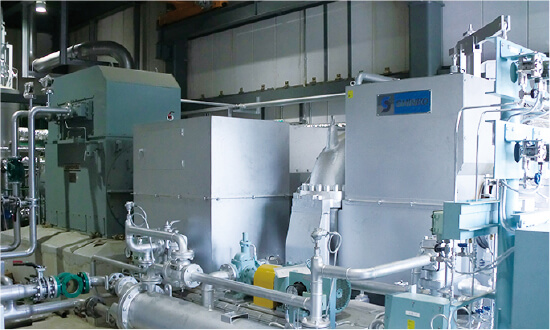
Through biomass generation and recycling, they are transformed into electricity and compost.
03
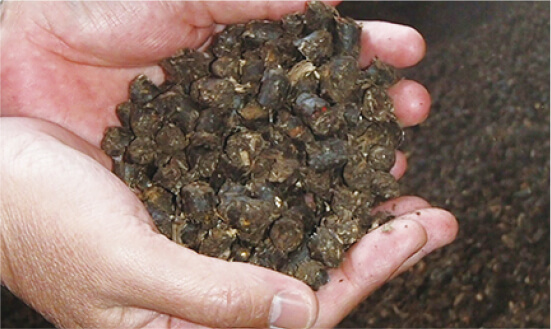
The electricity powers our factory, while the compost supports soybean cultivation—creating a circular, waste-free approach to nama miso making.
Our Commitment to a Hygienic Environment
Every day at Marumo Aoki Miso begins and ends with cleaning the factory. It is an expression of gratitude to every customer who enjoys our miso, to the yeast and enzymes that nurture it, and to the remarkable natural environment of Nagano.

Protecting the factory environment means maintaining rigorous hygiene—in other words,
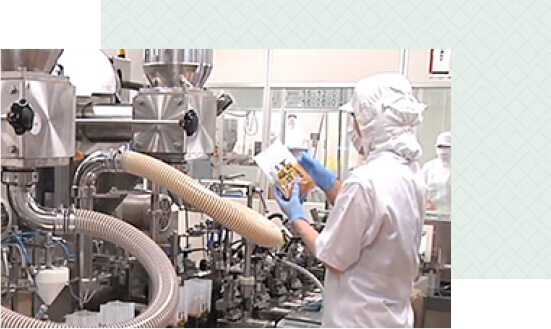
keeping it clean. Miso thrives in a clean environment.Dirt or disorder in the factory or storehouse can interfere with miso fermentation. Across every stage—from receiving ingredients through production and shipment—we operate a HACCP-based system that anticipates potential risks and continuously monitors and records critical points, enabling immediate corrective action if an abnormality is detected.
In 2007, our facility received the Minister of Health, Labour and Welfare Award for Excellence in Food Hygiene.
An Uncompromising Commitment to Organic Standards
As an Organic JAS-certified facility, we do not use chemical agents inside the factory. Weeds on the premises are removed by hand without herbicides, and machinery and equipment are cleaned using only water and hot water, without detergents. Our commitment to organic standards extends throughout the company.
2180-1
Shimogawara, Kazama, Nagano City, Nagano 381-0023, Japan
View on Google Maps ☎026-221-3868